
Department of Health Day Procedure Centre Licence
EC Specialists Premium (PHF No.: DP000104) L12, Office Tower, Langham Place, 8 Argyle Street, Mong Kok

Positron Emission Tomography (PET)

Contact Us

Our center will contact you to confirm the details before confirming the reservation.
*Required

Positron Emission Tomography-Computed Tomography (PET-CT Scan)

Positron Emission Tomography-Computed Tomography (PET-CT Scan) is a combination of PET and CT technology. It can be used to evaluate and diagnose cancer, malignant tumour, neurological disorders, cardiovascular diseases, etc. The entire PET-CT scan procedure takes approximately 3-4 hours. Contact us for more details on the cost and points to note of the procedure.

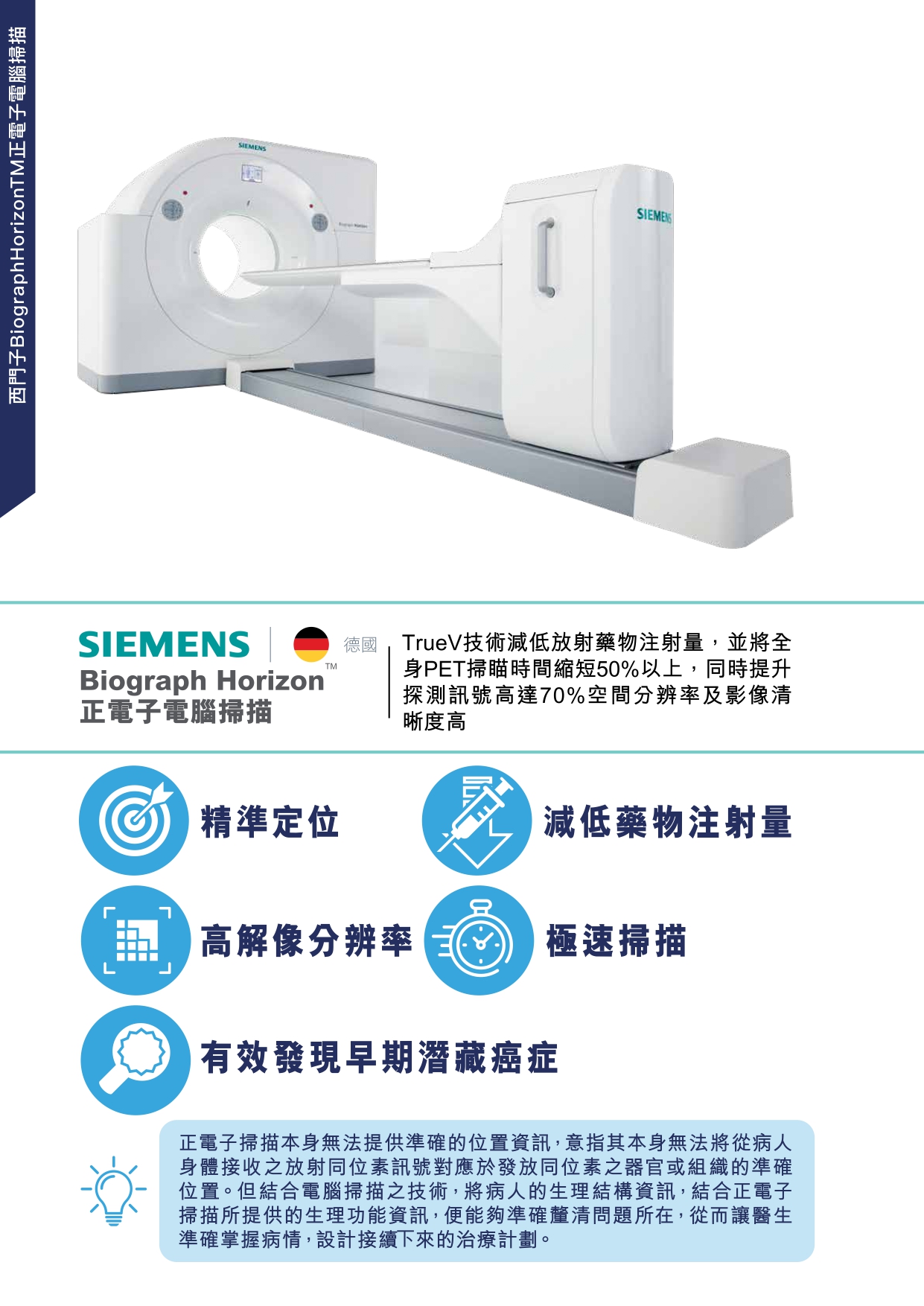
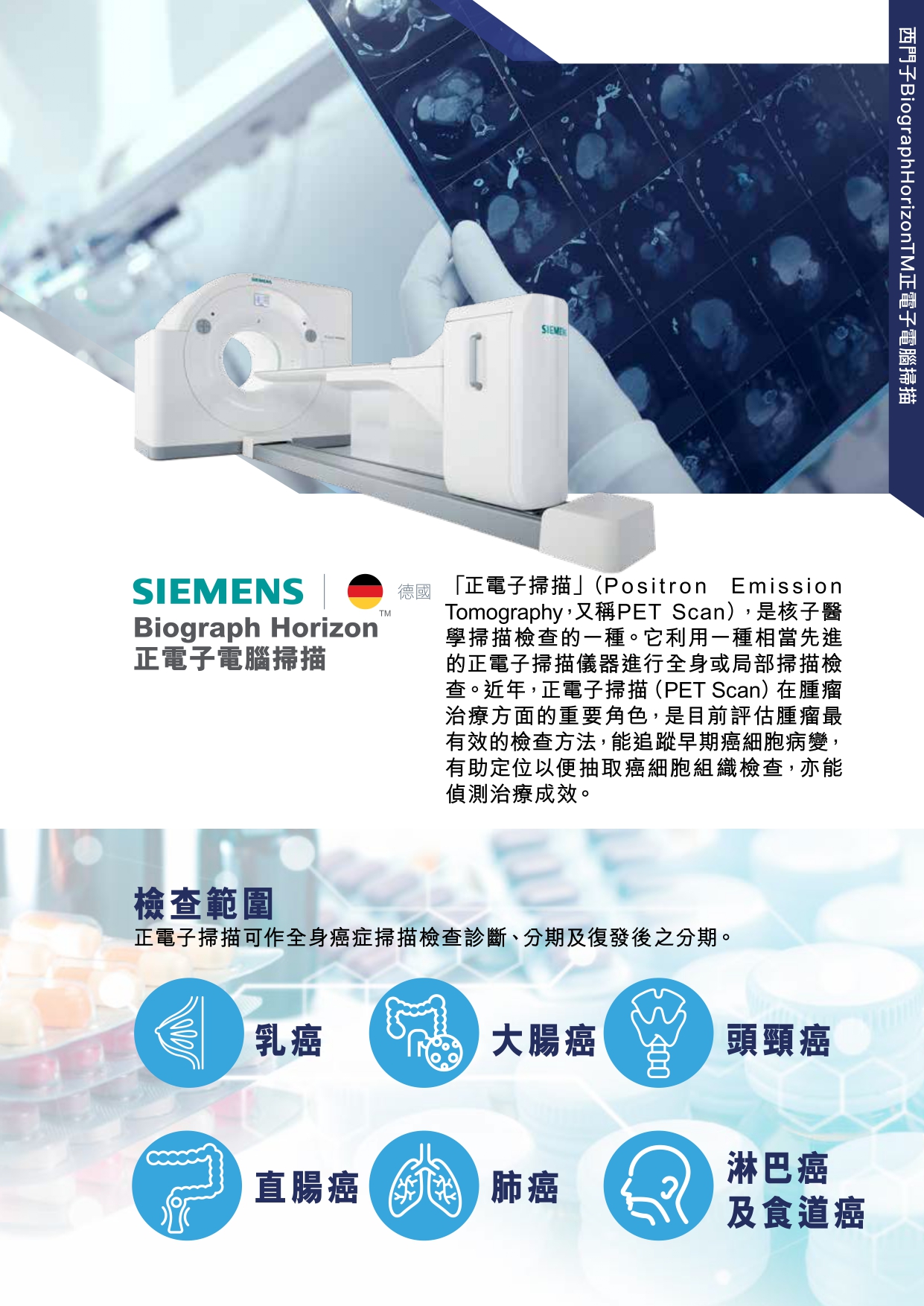
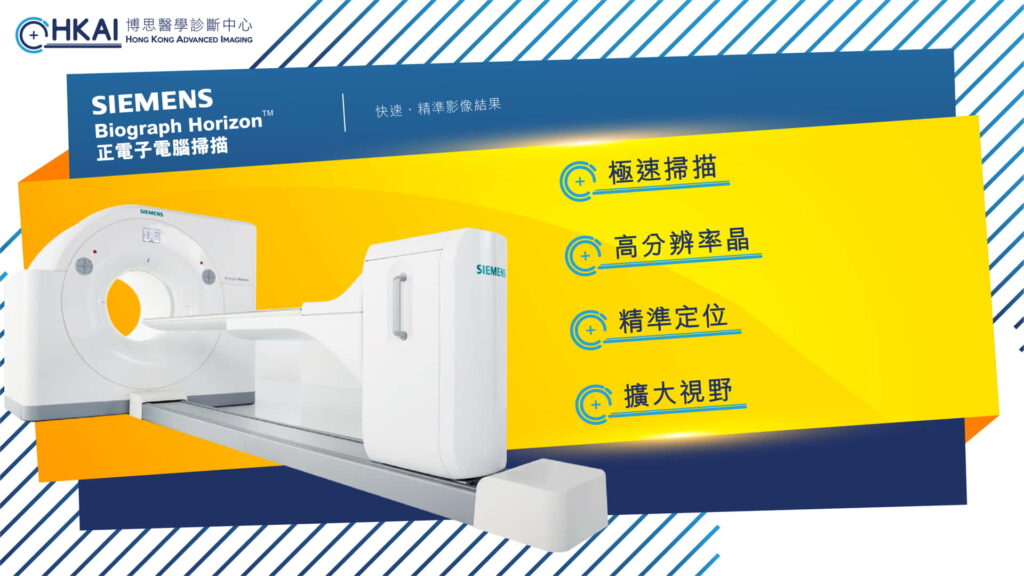
正電子電腦掃描 西門子 Biograph Horizon

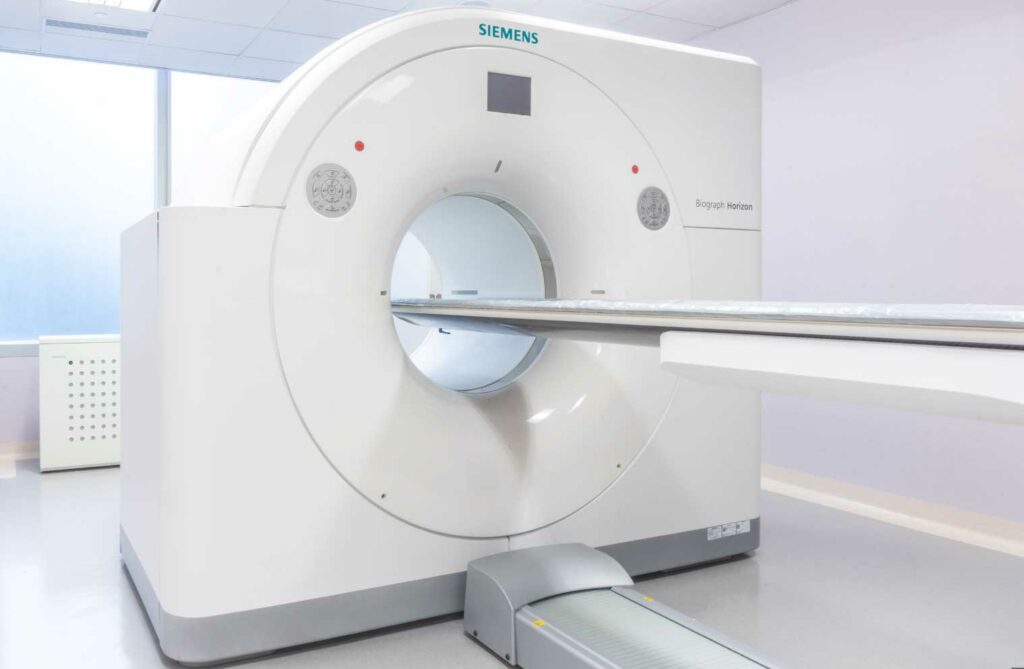
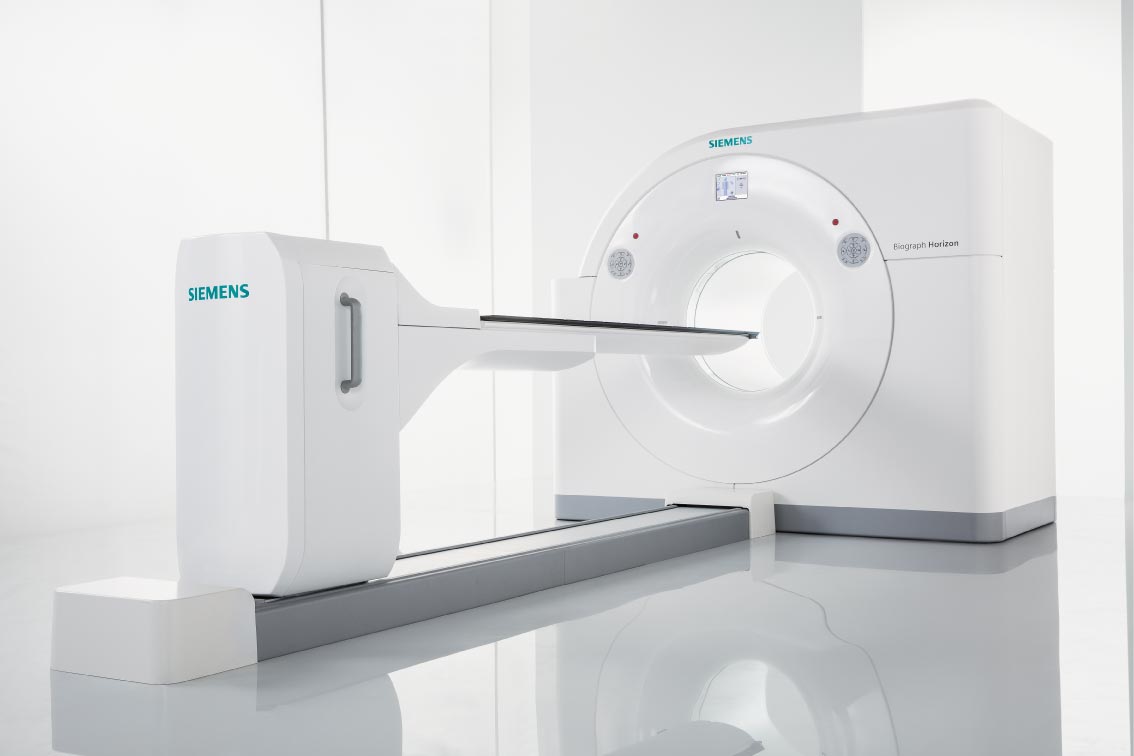
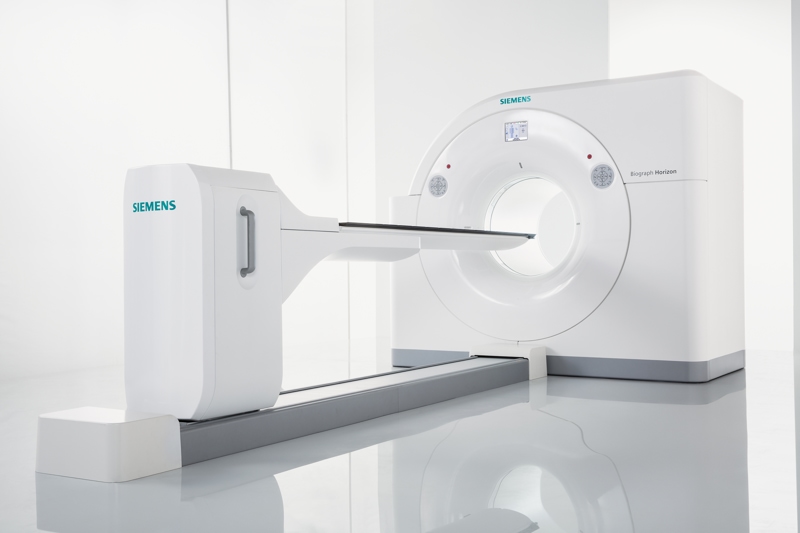
PET-CT Scan Siemens Biograph Horizon Siemens Biograph Horizon PET-CT Scan

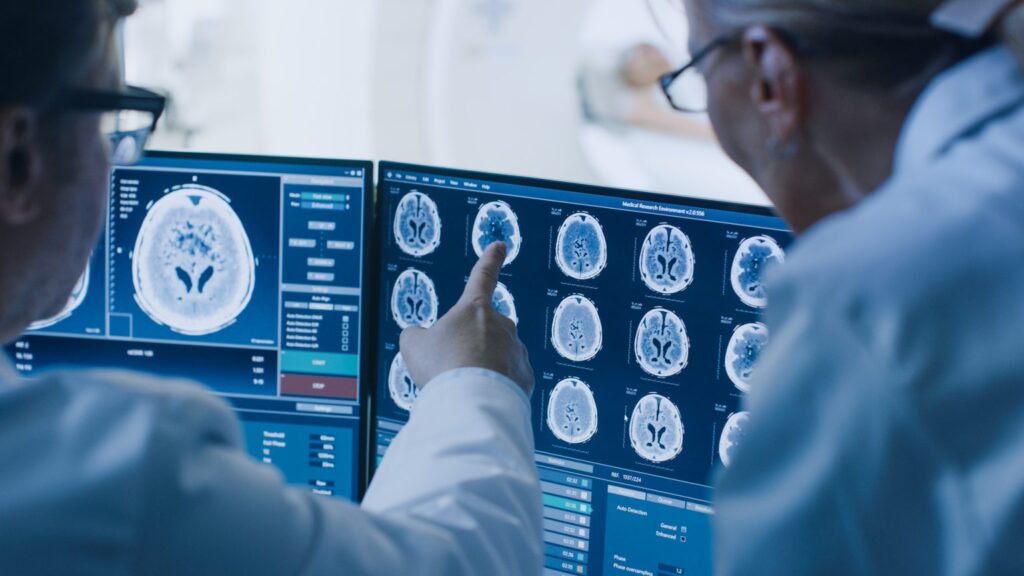
As a leading functional and non-invasive examination, Positron Emission Tomography (PET), combined with Computed Tomography (CT) technology, is primarily used for tumor detection and the diagnosis of neurological and cardiovascular conditions. It effectively differentiates between viable and necrotic (dead) tissue, as well as distinguishes the growth of benign from malignant tumors or cancer cells, enabling us to provide the most appropriate medical recommendations for our patients.

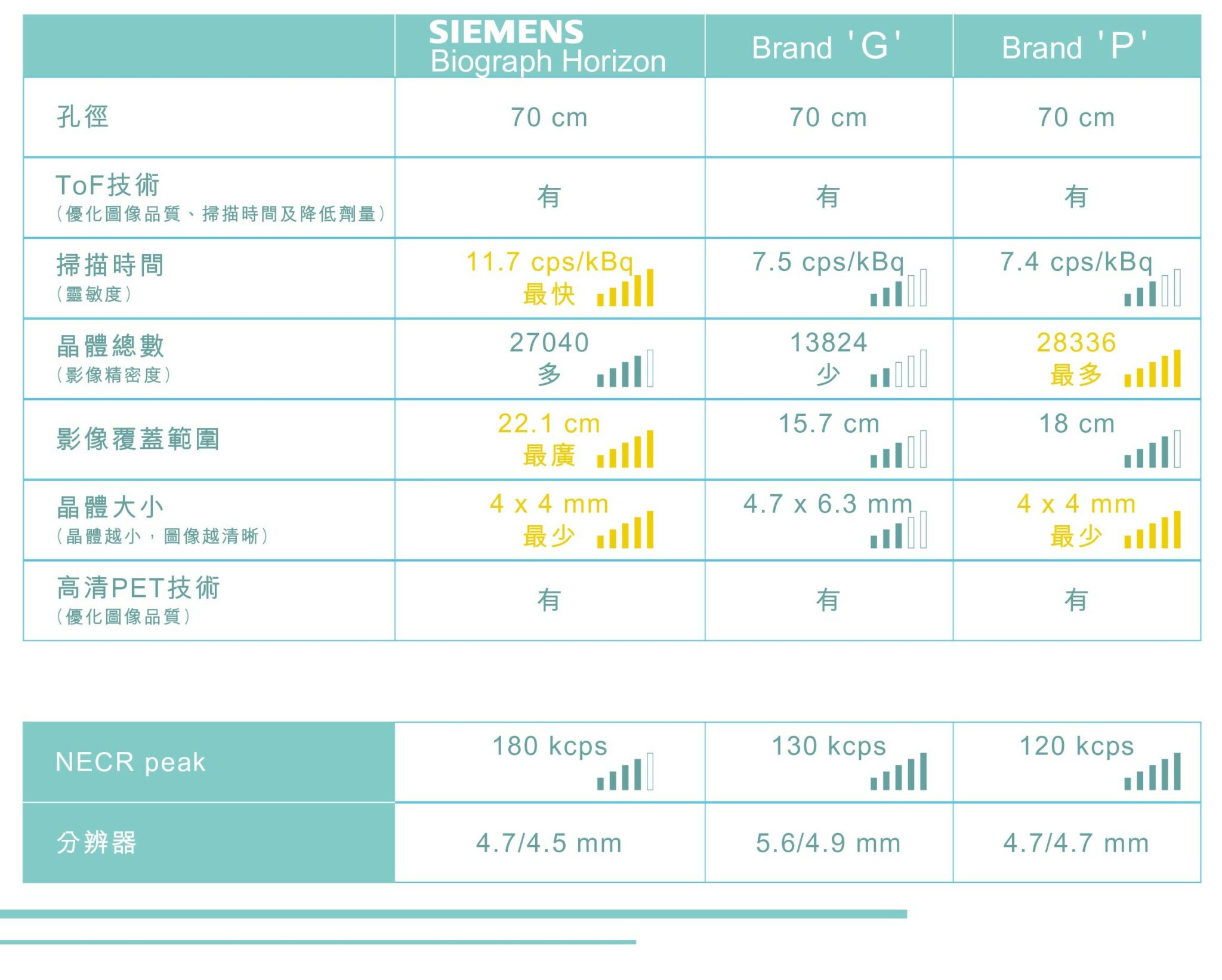
The Siemens Biograph Horizon™ PET/CT scanners used in HKAI treatments provide fast and accurate imaging outcomes. The premium LSO-based scintillation crystals in the detectors developed by Siemens have been upgraded from 6.3mm to 4.00mm compared to the previous BGO-based PET/CT scanners for better image clarity. Moreover, the LSO scintillation crystals have significantly improved their signal-to-noise ratio and reduced the scanning time required. This, together with Siemens SAFIRE’s exclusive technology, reduces the radiation dose to patients by up to 60%.

What is Positron Emission Tomography-Computed Tomography (PET-CT Scan)?

Positron Emission Tomography-Computed Tomography (PET-CT), commonly known as a PET scan or PET-CT Scan, is a functional medical imaging examination that provides detailed information regarding the function of specific organs or systems in the body. It is frequently used to evaluate and diagnose cancer, neurological disorders, and cardiovascular diseases. A PET-CT scan can detect cancer earlier than other imaging technologies (such as CT and MRI scans) and can also determine whether, and to where, cancer has spread to other parts of the body.
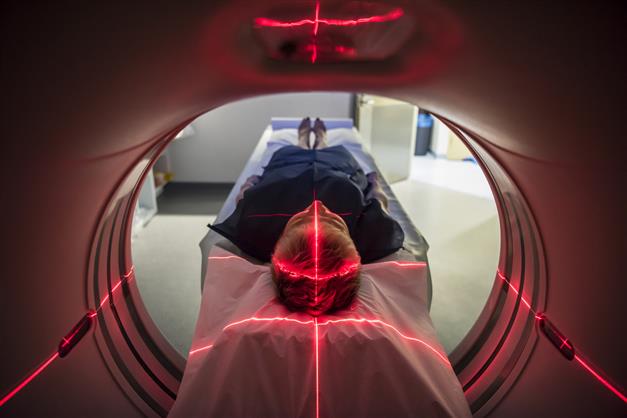
Before the scan, our radiographer will inject a radiopharmaceutical into the patient. During the scanning procedure, our medical team will administer a radioactive tracer and use a PET scanner to record images of the patient's body. The scanner detects the amount of radiation emitted by the radioactive tracer, and a computer then constructs multi-dimensional images of the examined area. The radiopharmaceutical typically accumulates in diseased tissues rather than in healthy ones, allowing us to identify abnormalities with high precision.

PET Scan HK
PET-CT Cancer Screening

Leveraging the Combined Strength

A PET scan is a highly effective clinical method for diagnosing cancer. It allows for whole-body scanning to detect hidden malignancies, helping to differentiate between benign and malignant tumors and locate them with an accuracy of over 90%. Furthermore, it is used to evaluate treatment efficacy, distinguish tumor recurrence from tissue necrosis, and identify biological target volumes for radiotherapy. Since cancer cells that have spread to other parts of the body also exhibit abnormally high glucose uptake, they can similarly be detected by a PET scan. This accurate cancer staging helps us formulate appropriate treatment plans, optimizing the chances of remission. Positron Emission Tomography-Computed Tomography (PET-CT) integrates traditional PET (Positron Emission Tomography) and CTComputed Tomography). It can detect the presence and metastasis, and pinpoint precisely the location of cancer cells through CT.

PET Scan Procedures

The entire PET-CT scan procedure takes approximately 3-4 hours. It includes pre-injection screening, measurement of fasting plasma glucose, and radiopharmaceutical injection. The patient has to lie still after the injection for about 1 hour to wait for the drug to be absorbed, followed by a full body scan (about 30 minutes). The patient will take another 1-1.5 hours of rest for the attenuation and metabolism of medication. Under certain circumstances, the patient will undergo another scanning procedure during this period.

Malignant Tumours Positioning
PET Scan Procedures

Points to Note

Please inform our medical staff if:

  1. Patients should not have undergone any barium x-ray examination 10 days prior to the PET-CT scan.
  2. A 6-hour fasting is required prior to the scan. Consumption of alcohol and beverages is prohibited (except water). Avoid medication with high sugar content (e.g. cough syrup, glucose). Avoid chewing gum or candy.
  3. A bland and easy-to-digest diet is recommended 1 day prior to the scan.
  4. Patients are advised to drink enough water, at least 6 to 8 cups of water 1 day prior to the scan.
  5. Avoid intense muscular activities such as strenuous exercise and heavy lifting.
  6. Pregnant and lactating women, people with unstable emotions, people with acutely persistent muscle cramps, and diabetic patients with poor blood sugar control should not be screened.

Guidelines for Patients with Diabetes

  1. Your appointment will be arranged in the morning as your blood sugar level will be lower at that time.
  2. Please follow your regular insulin and oral antidiabetic drugs instruction the day before the test. Fasting is required after midnight (except for water and non-glucose medication intake)
  3. Please do not inject insulin or take oral antidiabetic drugs on the day of examination.
  4. Patients are advised to eat right after the screening. You are recommended to have a half dose of IV insulin or a normal dosage of oral antidiabetic drugs during the meal after the scanning to avoid the risk of low blood sugar.

PET-CT service is available in the following centres:

Mong Kok Langham Place Main Store
Tsuen Wan Branch (AMMED)

PET-CT Scan Q&A

A PET scan is an advanced imaging examination that offers detailed information on a particular body organ or specific function of the body. It is commonly used to evaluate and diagnose cancer, neurological disorders of the brain, and cardiovascular disease.

During the PET scan, a radiologist will inject a radioactive tracer into the patient’s body and images of the patient’s body are recorded with a PET scanner. A specialised camera can detect the radiation emitted by the radioactive tracer, and a multidimensional image of the examined area will be generated by the computer.

PET Scan 掃描是「Positron Emission Tomography」(「正電子斷層掃描」),是屬於核子醫學的技術,和 CT Scan 和 MRI Scan 兩種最大的不同是,正電子掃描屬於功能性的檢查(CT 和 MRI 是結構性檢查)。病人需要注射帶有放射性的藥物(一般來說是葡萄糖),如身體有癌細胞、炎症、感染等等,其活躍性會被顯示出來。如果以攝影來做比喻的話,PET Scan 就像一個紅外線相機,而 CT 就是一部高清數碼相機。現在很多癌症病人進行的 PET-CT scan 就是結合了 PET 的功能性及 CT 的結構性檢查,所以正電子斷層掃描非常全面。建議每個病人應該和專家討論,並結合臨床病徵,以便確定最佳的診斷方法。

A PET scan is primarily used to detect and monitor conditions including cancer, neurological disorders, and cardiovascular diseases. It can identify cancer at an earlier stage compared to other imaging technologies (such as CT and MRI scans) and determine whether—and to where—the cancer has spread within the body.

Furthermore, a PET scan can reveal which part of the brain is triggering epileptic seizures, assisting us in formulating appropriate management plans for epilepsy. This examination is also utilized to evaluate Alzheimer's disease and Parkinson's disease, as the resulting images can precisely pinpoint areas of the brain that are not functioning normally. Early detection of these neurological disorders enables us to provide patients with more effective relief and clinical care.

  1. Patients should not have undergone any barium x-ray examination 10 days prior to the PET-CT scan.
  2. A 6-hour fasting is required prior to the scan. Consumption of alcohol and beverages is prohibited (except water). Avoid medication with high sugar content (e.g. cough syrup, glucose). Avoid chewing gum or candy.
  3. A bland and easy-to-digest diet is recommended 1 day prior to the scan.
  4. Patients are advised to drink enough water, at least 6 to 8 cups of water 1 day prior to the scan.
  5. Avoid intense muscular activities such as strenuous exercise and heavy lifting.
  6. Pregnant and lactating women, people with unstable emotions, people with acutely persistent muscle cramps, and diabetic patients with poor blood sugar control should not be screened.

The radiopharmaceutical (also known as a tracer) is injected into the patient's body prior to the scan. The radiotracers usually accumulate in diseased tissues more than in healthy tissues. The images of the body are then acquired by a gamma camera in the PET scanner. The camera detects the positrons emitted from the tracers in the body, and a multi-dimensional image of the examined body part will eventually be generated by the computer. The patient has to lie still after the injection for about 1 hour to wait for the drug to be absorbed, followed by a full body scan (about 30 minutes). The patient will take another 1-1.5 hours of rest as the radiotracer becomes less radioactive over time. The risk of having side effects is low.

PET scans are rarely recommended for pregnant and breastfeeding women.

Children are more susceptible to radiation than adults and are not suitable for PET scanning.
Contact Us

Our center will contact you to confirm the details before confirming the reservation.
*Required