



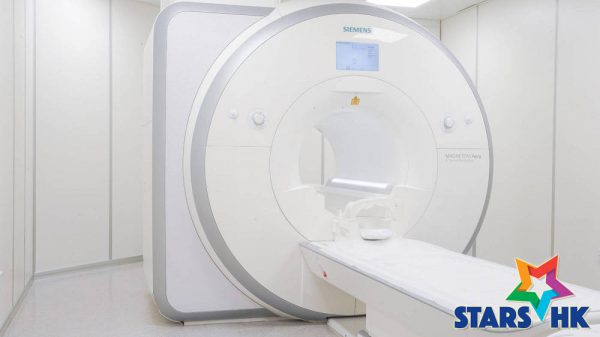
TheMRIexaminations are mostly localized, such as neck, head, or even heart and lung magnetic resonance, and generally take 30-45 minutes. However, it turns out that whole-body magnetic resonance imaging only takes about 45 minutes. A single examination from head to toe can detect early-stage cancer, narrowing of blood vessels, etc., which are often caused by traditional Chinese medicine.
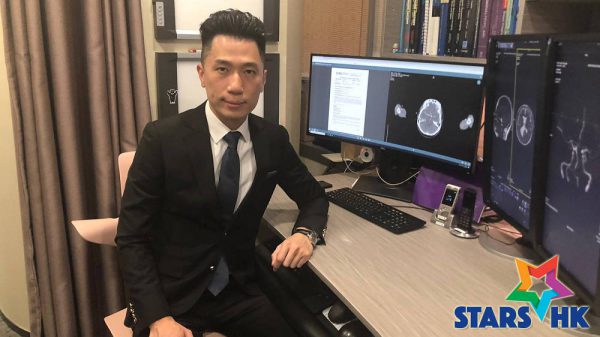
Dr. Shum Sing Fai, John, a specialist in radiology, said that whole-body magnetic resonance imaging can scan from the head to the heels in one go. The only exception is the hands. "This is due to the position of the hands during the scan. The rest of the body can be scanned very comprehensively, including the head and neck, nasopharynx, thorax, abdomen, ovaries, prostate, etc., to obtain information on whether the patient's body is hiding some potentially fatal diseases."
Dr. Shum used the data of a total of 115 patients who underwent whole-body magnetic resonance examinations in the past three months as an example. The median age of this group of patients was 51.1 years old, and the male to female ratio was approximately 2:3. Among them, 38 patients were found to have suspected tumors and required further follow-up. "Among them, 5 had nodules in the lungs, 11 had nodules in the thyroid, 2 had nodules in the breasts, 5 had prostatic hypertrophy, and some patients had thickening of the nasopharynx (possibly a precursor to nasopharyngeal cancer), thickening of the large intestine wall (possibly a precursor to intestinal cancer), etc. There were also cases of hemangiomas in the brain that needed to be treated."
Not all of the above cases may be related to cancer. Doctors will recommend whether follow-up examinations are needed depending on the situation. Dr. Sum emphasized that the detection time of each part with whole-body magnetic resonance imaging is shorter than that of a single part, so it is suitable as a whole-body general examination. "Take the breast as an example. Whole-body magnetic resonance imaging has the opportunity to detect breast cysts or larger tumors, but it may not be able to immediately analyze whether it is breast cancer. It must be followed up with ultrasound and mammography to confirm."
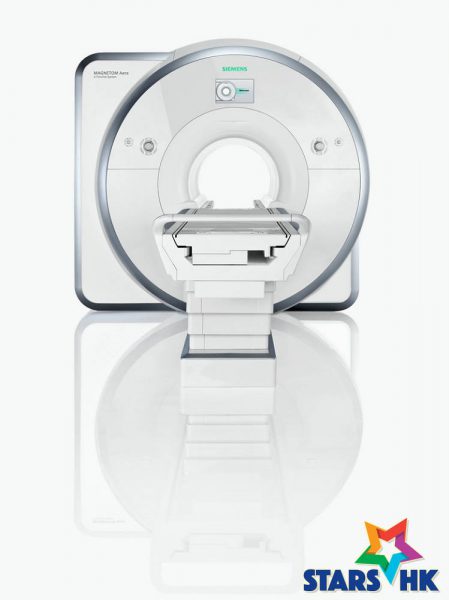
Another example is fatty liver. Dr. Shum said that from daily observation, about half of people over 35 years old have varying degrees of fatty liver, which may develop into cirrhosis and liver cancer. It is also related to diabetes, coronary heart disease, stroke, etc. In addition, whole-body magnetic resonance imaging can also scan the degeneration of the cervical spine, thoracic spine, lumbar spine, etc., so that early treatment can be done to prevent it from turning into more serious spinal problems.
Dr. Shum said that the biggest advantage of magnetic resonance imaging is that it does not cause radiation and is suitable for general screening. Nowadays, there are also online platforms that allow doctors to see the scan results instantly and know the problem faster, unlike in the past, which could take one to two days to get the results. Therefore, people who are middle-aged or above and are concerned about their health can discuss with their doctor whether they are suitable for whole-body magnetic resonance health screening. If you want more accurate results when doing whole-body magnetic resonance imaging, you can consider using a contrast agent. The entire examination will take longer, about 90 minutes.
Original link:https://bit.ly/3BdoYVQ