



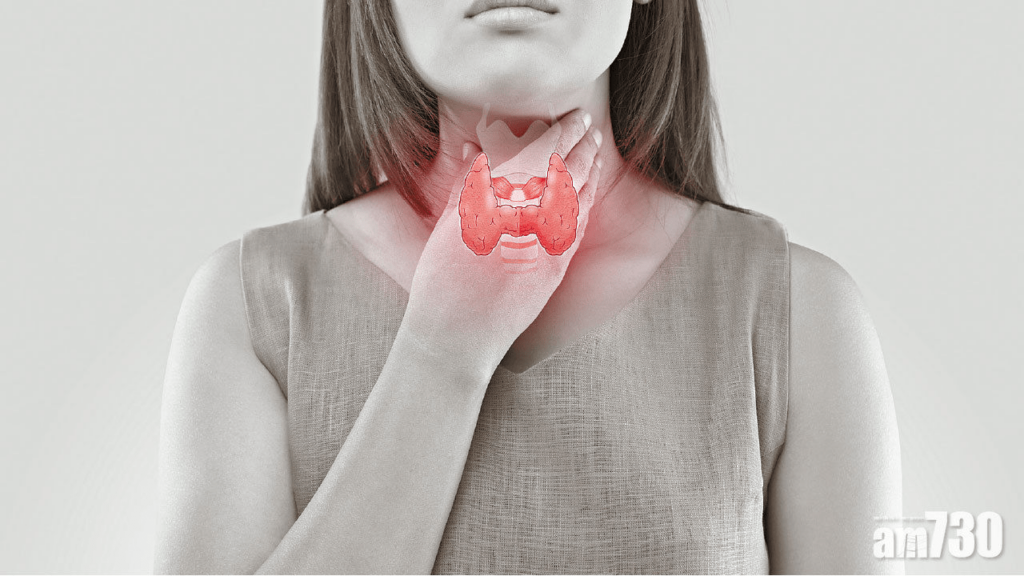
Most patients need to arrange for a thyroid ultrasound due to thyroid swelling, and some of them have had relevant examinations and were told that there is an impact on their thyroid gland and they may need a thyroidectomy.
It is very common to have a shadow on the thyroid gland, or what is called a nodule. Books on ultrasound have generally stated how common it is, that is, "your age plus a percentage" is the chance of having thyroid nodules in your age group. For example, if you are 50 years old this year, you have a 50% chance of developing thyroid nodules.
Most thyroid nodules are benign. Less than 10% of thyroid nodules are malignant tumors. There are two main tests to diagnose whether thyroid nodules are benign or malignant:
The first step of examination: Ultrasound examination
The first step is an ultrasound. Ultrasound can determine whether a thyroid nodule belongs to the low suspicion type or the high suspicion type based on its various characteristics, including its 1. composition, 2. echo, 3. ratio of height to width, 4. edge, and 5. whether there are high echo spots. The high suspicion category means that there is a relatively high chance that a certain thyroid nodule is a malignant tumor. After thyroid ultrasound determines the characteristics of a thyroid nodule, it can be known which thyroid nodule has a higher chance of malignancy.
The second step of examination: small needle cell examination
Small needle cytology is the second diagnostic step for these higher suspicion thyroid nodules. Fine-needle cell aspiration under ultrasound guidance is the safest and most accurate method, and its accuracy can be as high as 90%. The needle usually used for this procedure is about the same thickness as the needle used to draw blood, or a little smaller, so it won't cause too much pain. Because this examination is not very painful, it is generally not necessary to use local anesthesia. A patient once told me that this small needle cell test is less painful than blood drawing. If the result of the small needle cell test is benign, it is still possible that the small needle did not pick up malignant cells, so regular ultrasound reexamination is still required for follow-up. If there is clinical suspicion, the microneedle cell test must be repeated. If the result of the small needle cytology test is malignant, you will need to discuss with the surgeon to arrange a course of treatment.
Generally, if the size of thyroid nodules is less than one centimeter, there is no need for a needle aspiration examination. These nodules simply require periodic ultrasound examinations based on the category of his suspicion. In summary, if you know you have thyroid nodules, don’t worry too much. As long as you consult a doctor early and perform an ultrasound examination to classify the nodules, you can make corresponding control plans.
The above information is for reference only. If you have any medical questions, you should consult your doctor.