


"At 12:37, Start CPR" nurses began to perform cardiopulmonary rehabilitation on patients who had stopped breathing and heartbeat. Medical imaging centers rarely experience first aid, and only once in three years of business. At that time, I was writing a report and the staff rushed to inform me that the nurse found that the patient who had just arrived at the question room suddenly lost his reaction and needed support.
When I arrived, there were already 10 staff on site, working together to lift the patient to the bed for examination and prepare for first aid. The patient in his 60s has lost his breathing and heartbeat. I placed the automated external defibrillator (AED) pads on his chest in two places. The defibrillator immediately sent instructions, reminding us to notify the ambulance crew and start 30 extracardiac compressions.
After we injected the large A (cardiac shot), it was quickly discovered that the patient had ventricular fibrillation or pulseless ventricular pulsation (Pulseless VT), causing the heart to lose its pumping function and was ready to receive an electric shock. Follow the steps of the American Heart Association Advanced Cardiac Life Support (ACLS) course.
In addition to medications, we also provide oxygen and saline. Within minutes, fire fighters and ambulance crews arrived at the scene and sent the patient to the nearest public hospital's emergency room for continued first aid.
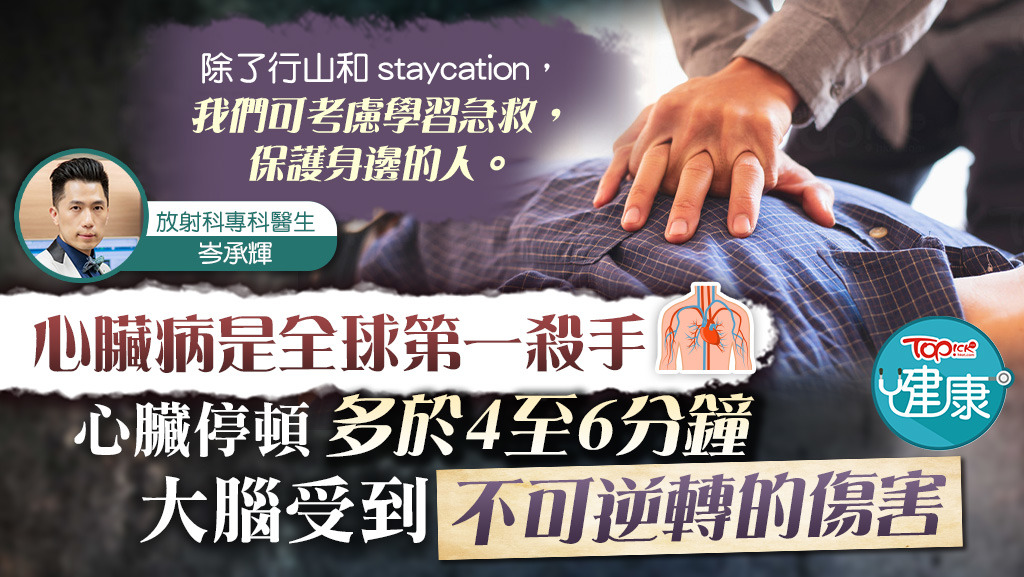
Heart disease is the number one killer worldwide. If an acute heart attack causes the heart to stop, the blood cannot provide enough oxygen to the brain. If the heart stops for more than 4 to 6 minutes, the brain will be irreversibly damaged.
Effective and high-quality cardiopulmonary resuscitation and the correct use of automated external defibrillators (AEDs) can improve survival rates. The wonderful function of this shock absorber is to automatically detect and analyze heart rhythm. If the heart rhythm is of a type that requires an electric shock, the electric shock will be administered automatically. During the first aid process, it will continuously issue instructions to remind those present on the scene how to assist the patient next.
Thanks to the efforts of the Hong Kong Fire Services Department, AEDs are not difficult to find in different public places such as shopping malls, fitness centers, MTR stations and airplanes. As long as we learn how to use it, we have the opportunity to save someone's life.
When staying in Hong Kong during the epidemic, in addition to hiking and staycation, we can also consider learning first aid to protect those around us. The Hong Kong Red Cross, Hong Kong St. John Ambulance and various professional societies hold first aid courses regularly. The Basic Life Support (BLS) course can generally be completed within 3 hours.
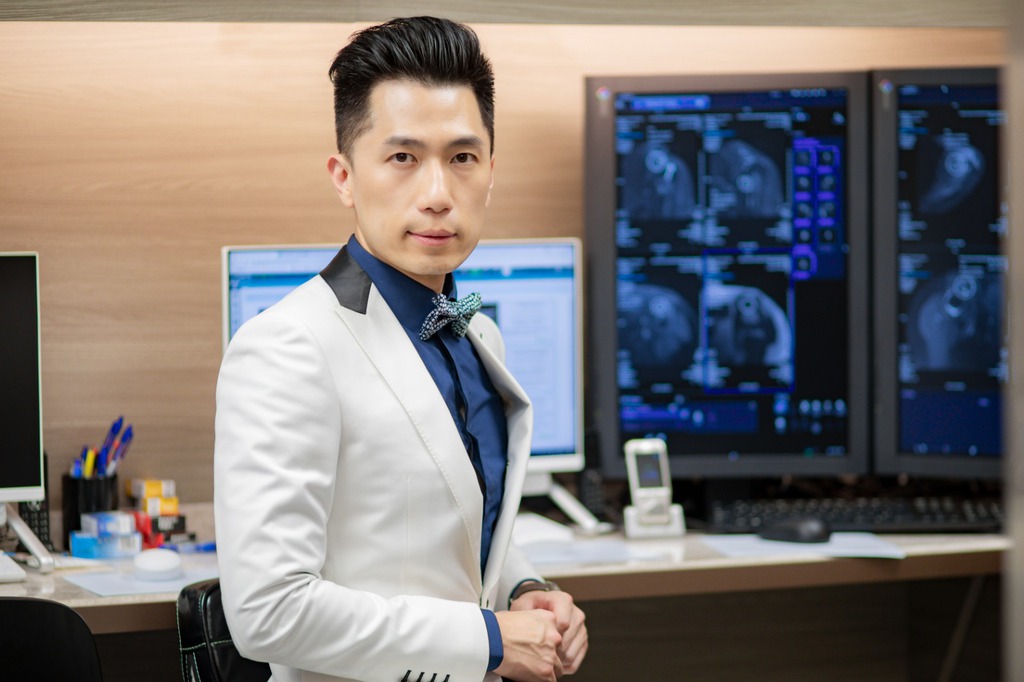
▲ Radiology Specialist Dr. Shum Sing Fai, John
Original link:https://bit.ly/3OCR1Bn